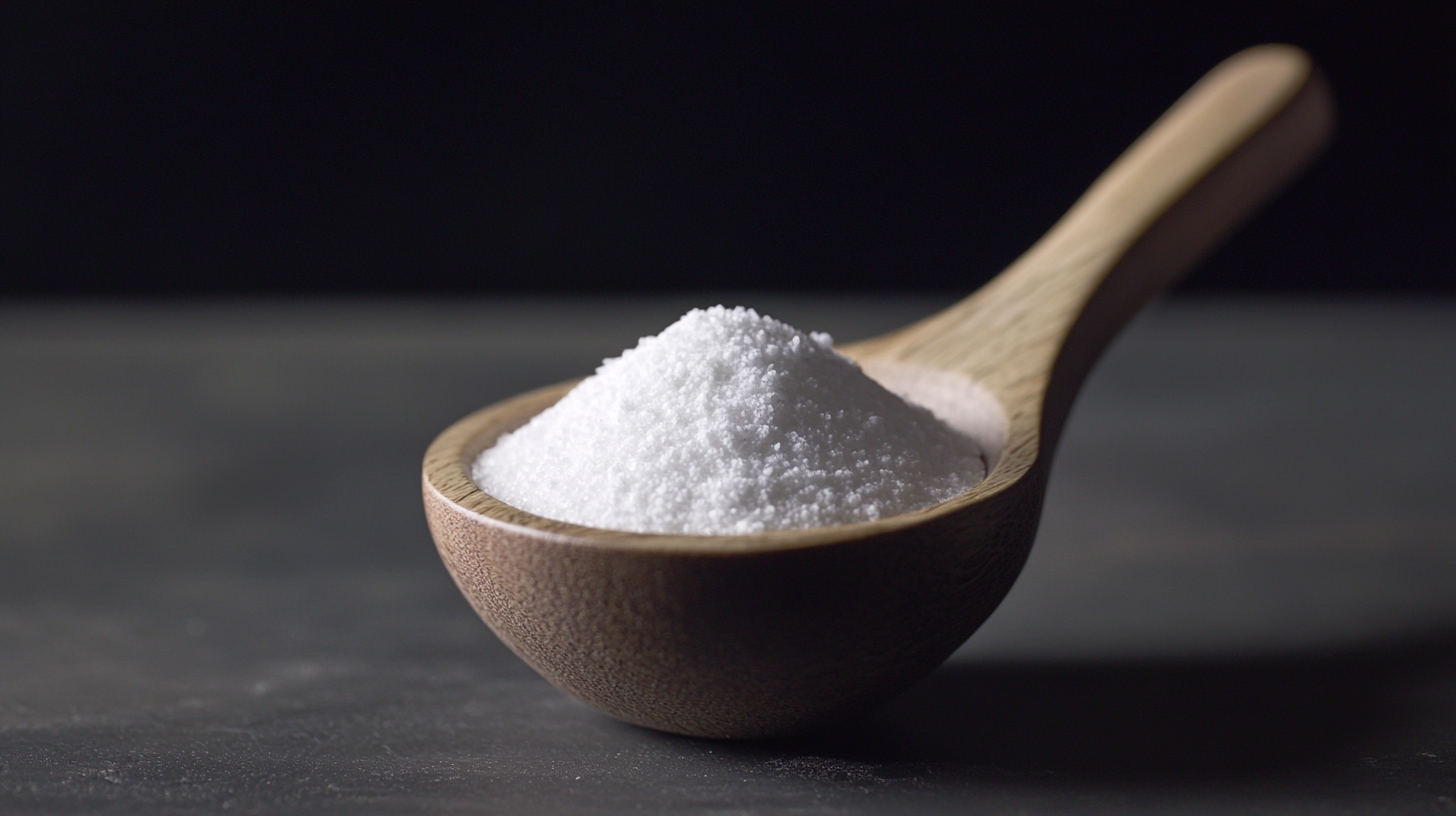
You know, the global buzz around safe and effective cosmetic ingredients is really heating up! It's crazy to think that the market could hit around $800 billion by 2025, right? In this exciting landscape, **99% Pure Sodium Ascorbyl Phosphate Powder** is stepping into the spotlight as a truly amazing and versatile ingredient. It’s got some standout benefits, especially in skincare. This stable form of Vitamin C is like a little superhero when it comes to brightening skin and tackling pigmentation issues. Plus, it packs a punch with antioxidant protection, which is why many high-end brands are eager to include it in their products. Here at **Xi'an Aoge Biotech Co., Ltd.**, we’re really leading the charge in this space. We’re all about providing top-notch cosmetic raw materials, including this powerhouse ingredient, along with a wide variety of natural plant extracts and synthetic compounds aimed at those trendy organic cosmetics. As more brands focus on being effective and safe, understanding all the cool ways you can use **99% Pure Sodium Ascorbyl Phosphate Powder** is key for formulators who want to create skincare that truly stands out.
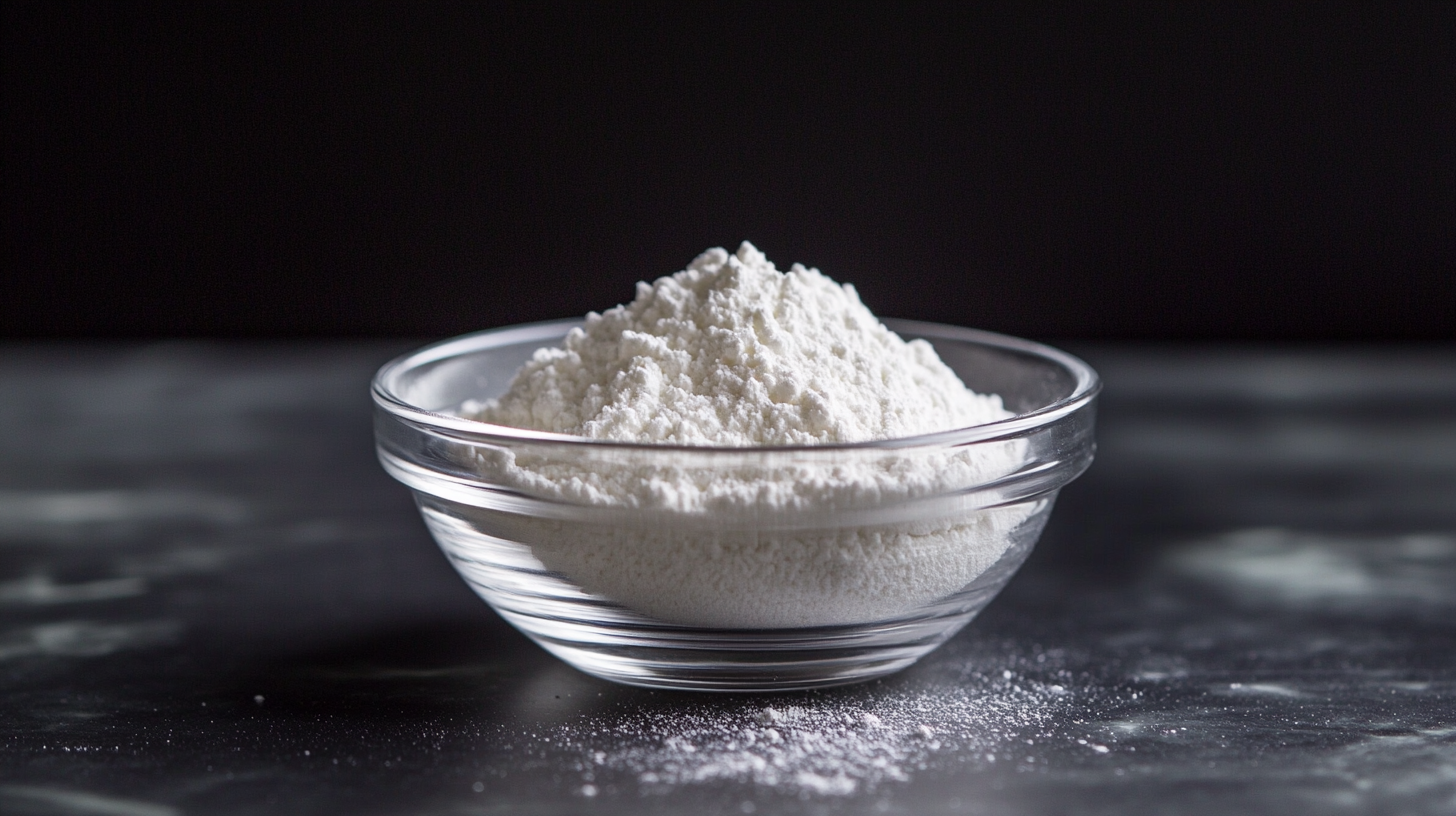
Sodium Ascorbyl Phosphate (SAP) has garnered considerable attention in various industries due to its exceptional quality and versatility. As a stable derivative of Vitamin C, the 99% pure Sodium Ascorbyl Phosphate powder is prized for its ability to provide antioxidant benefits without the instability usually associated with traditional vitamin C forms. This quality makes it an ideal ingredient in cosmetic formulations, where it promotes skin brightening and helps in reducing the appearance of fine lines and wrinkles.
In addition to its skincare applications, SAP is making waves in the food and beverage industry. Its antioxidant properties help to preserve the quality and freshness of products, ensuring a longer shelf life without compromising nutritional value. Its safety and efficacy make it suitable for a variety of food applications, where maintaining the balance of taste and health is crucial.
**Tips:** When incorporating Sodium Ascorbyl Phosphate into your formulations, ensure that the pH level is adjusted to maintain its stability. Additionally, a small concentration can yield significant results—often just 0.5% to 2% in cosmetic products can deliver noticeable benefits. Always conduct stability testing to determine the optimal formulation conditions for your specific application.
You know, Sodium Ascorbyl Phosphate, or SAP for short, is really starting to get some serious attention across a bunch of different industries. It's especially popular in food preservation, cosmetics, and even energy storage! This awesome compound acts as a stable form of Vitamin C, which is great because it not only helps with product stability but also makes it a go-to ingredient for cosmetics and food products. With the food-grade phosphate market booming—expected to grow big-time thanks to more consumers wanting safe and effective preservatives—SAP really shines, especially since it boosts nutritional value while extending shelf life.
And then there’s the energy storage scene! There’s this really exciting shift happening where sodium-based technologies are becoming all the rage. Just look at Japan, for example— they’re moving from lithium to sodium batteries, and it’s projected to hit a whopping USD 2.01 billion by 2030. This just goes to show how important sodium compounds like SAP are in the push for new energy solutions. Plus, the Sodium Citrate market is also on the rise, aiming for around $1.2 billion by 2031, thanks to its uses in food preservation and healthcare. It’s pretty clear that industries are picking up on sodium derivatives not just for their practical perks but also because they help out with sustainability and efficiency. Isn’t that interesting?
You know, Sodium Ascorbyl Phosphate, or SAP for short, is really starting to make waves in the beauty world, and it’s easy to see why! This stable form of vitamin C is packed with antioxidant goodness but is super gentle on the skin. That’s why it’s quickly becoming a go-to ingredient in all sorts of skincare products. People are always on the lookout for effective yet safe solutions, and SAP fits the bill perfectly, brightening up the skin and giving it that nice texture we all crave. You’ll find it popping up in serums, moisturizers, and even masks as formulators discover its amazing skin-boosting benefits.
Recently, research has shown just how versatile Sodium Ascorbyl Phosphate can be when it comes to addressing various skin issues. Its anti-inflammatory properties are a game-changer – they help calm down redness and irritation, and guess what? It’s also great for fighting acne by keeping oil production in check. That’s why you’ll notice more and more acne products are now featuring SAP as a star ingredient. Plus, it plays well with other skincare ingredients, which means it can really amp up the effectiveness of whatever you’re using. As the beauty industry keeps evolving, Sodium Ascorbyl Phosphate is definitely a hero in the quest for healthier, clearer skin.
Sodium Ascorbyl Phosphate (SAP) is rapidly gaining attention as a sustainable choice for health products, especially in the cosmetics and food industries. This stable form of Vitamin C offers the same powerful antioxidant properties as its more common counterparts, but with enhanced stability and bioavailability. According to a report by Market Research Future, the global Vitamin C market is expected to reach $2.97 billion by 2025, driven in part by the growing consumer preference for plant-derived, sustainable ingredients. SAP not only meets this demand but also supports global sustainability goals by offering an eco-friendly option that reduces reliance on synthetic alternatives.
Tips for incorporating Sodium Ascorbyl Phosphate in your product line include fostering partnerships with suppliers who prioritize sustainable sourcing. Additionally, consider leveraging SAP's multifaceted applications—ranging from skincare formulations that promote collagen synthesis to food preservation techniques that enhance product longevity without compromising health benefits. Data from the Journal of Cosmetic Dermatology shows that products containing SAP can effectively brighten skin tone, reduce hyperpigmentation, and provide essential skin hydration, thereby making it a compelling ingredient for innovative health and beauty products.
Furthermore, SAP's versatility extends beyond just cosmetic applications. It’s increasingly being used in dietary supplements, where its antioxidant properties can support immune function and overall health. According to a study published in the Journal of Nutritional Biochemistry, incorporating sodium ascorbyl phosphate into daily regimens may enhance nutritional benefits while ensuring that consumers receive a product that aligns with their health and environmental values. By highlighting these unique benefits, brands can cater to the growing market of health-conscious consumers looking for effective and sustainable solutions.
You know, the global demand for Sodium Ascorbyl Phosphate (SAP), especially the high-purity 99% stuff from China, is really taking off! It's making waves across different industries, like cosmetics, food preservation, and even pharmaceuticals. People are loving this powerful antioxidant because it’s stable and effective, which is perfect for skincare products that tackle signs of aging or help brighten the skin. Plus, with everyone getting more aware of what’s in their products, there’s a growing appetite for natural and effective solutions like SAP.
China is really stepping up as a major player in the production and export of Sodium Ascorbyl Phosphate, always managing to hit the mark for the global market’s needs. Their advanced manufacturing is something else, and they really stick to high-quality standards, which means we can count on a steady supply of top-notch SAP for international buyers. And let's not forget, with the clean beauty trend taking off, industries everywhere are turning to China, not just for budget-friendly prices, but also for cutting-edge ingredient sourcing. So, as the export potential for Chinese Sodium Ascorbyl Phosphate keeps growing, it’s opening up so many doors for companies looking to take advantage of this booming global market. Exciting times ahead!
So, Sodium Ascorbyl Phosphate (SAP) has really become a standout player in the Vitamin C world. It’s got some cool benefits that make it different from other forms like L-Ascorbic Acid and Ascorbyl Palmitate. For one thing, studies have shown that SAP is way more stable in different formulations, so it doesn’t go bad as quickly as some other versions do—no oxidation drama here! In fact, a study from the International Journal of Cosmetic Science pointed out that SAP not only keeps its antioxidant powers but actually gets deeper into the skin. This is especially great if you’re looking to tackle those pesky signs of aging or dark spots.
Looking ahead, it seems like the demand for SAP is really on the rise. Reports say we might see a growth rate of about 10.5% from 2022 to 2030—pretty impressive, right? It's becoming a favorite in skincare products. Plus, unlike L-Ascorbic Acid, which can cause some irritation for folks with sensitive skin, SAP is known for being much gentler. Lots of dermatological studies have backed this up. The Cosmetic Ingredient Review (CIR) has even given it a thumbs-up as safe for cosmetics, which is awesome. So, it’s clear that Sodium Ascorbyl Phosphate isn’t just an option; it’s seriously in the running to be a top choice when it comes to Vitamin C derivatives.
Kojic Acid Dipalmitate Powder, a powerful skin brightening agent, has gained popularity for its effectiveness in promoting a radiant complexion. With a CAS number of 79725-98-7 and an INCI name of Kojic Dipalmitate, this white crystalline powder boasts a purity of ≥ 95%. Its impressive molecular weight of 618.93 and chemical formula of C38H66O6 signify its robust structure, making it a favored choice for various cosmetic formulations.
One of the remarkable properties of Kojic Acid Dipalmitate Powder is its versatility in application. Typically exhibiting a neutral pH of around 6-7 in solution, it is compatible with a range of skincare products. The powder’s solubility is noteworthy; it dissolves well in oils and organic solvents, allowing for seamless integration into those formulations. Whether you are seeking to enhance a cream, serum, or oil, this powder is an ideal ingredient for creating effective brightening solutions that can transform your skincare routine. Embrace the potential of Kojic Acid Dipalmitate to achieve luminous skin and discover the confidence that comes with a brighter complexion.
scorbyl Phosphate (SAP)?
SAP provides skin brightening effects, reduces the appearance of fine lines and wrinkles, and has anti-inflammatory properties that can help combat acne.
A concentration of 0.5% to 2% is typically sufficient to achieve noticeable benefits in cosmetic formulations.
Yes, SAP's antioxidant properties help preserve the quality and freshness of food products, thereby extending their shelf life while maintaining nutritional value.
Adjusting the pH level is crucial for maintaining the stability of Sodium Ascorbyl Phosphate in both cosmetic and food applications.
The cosmetics, food and beverage, and energy storage industries are increasingly recognizing the benefits of Sodium Ascorbyl Phosphate.
By using SAP as a safe and effective preservative, industries can enhance product stability and nutritional profiles, contributing to sustainability.
SAP can help with redness, irritation, sebum regulation, and is particularly effective in acne treatment formulations.
Formulators are incorporating SAP into serums, moisturizers, and masks to leverage its skin-enhancing properties and improve overall efficacy.
The food-grade phosphate market is expected to expand significantly, driven by consumer demand for effective preservatives, and the sodium citrate market is projected to reach $1.2 billion by 2031.